
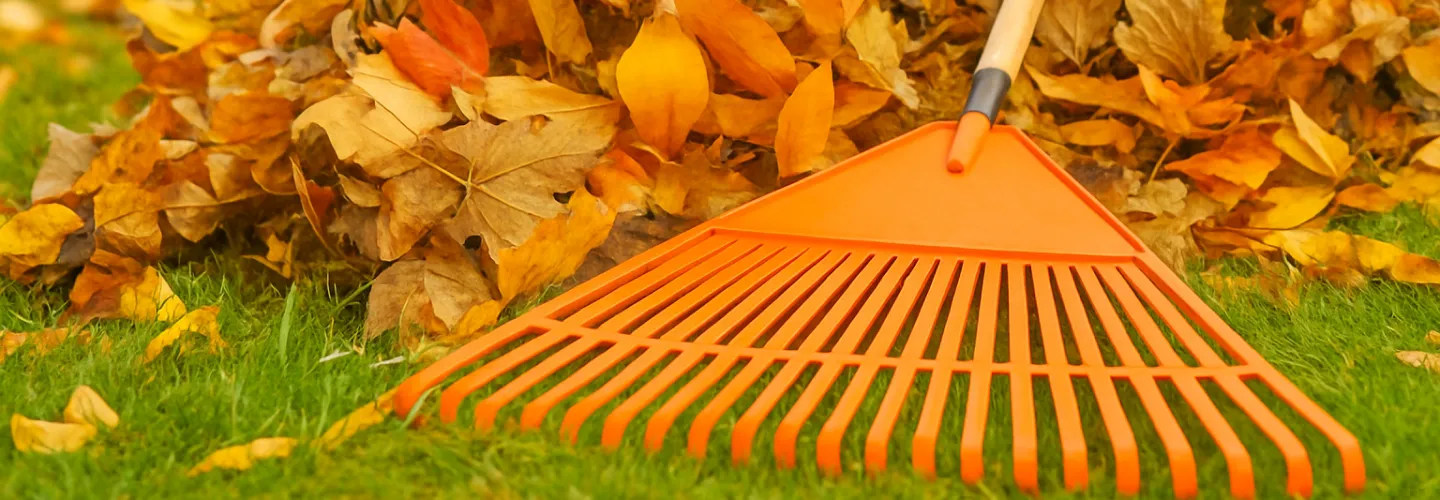
Green Flower Bed Maintenance Services
Choose our Flower Bed Maintenance for expert care that ensures your garden stays healthy, colorful, and weed-free—so you can enjoy beautiful blooms without the hassle.
Get a Free QuoteOur Green Landscaping & Yard Care Services
When to Schedule Flower Bed Maintenance in Green, Ohio – Seasonal Guide
In Green, Ohio, the timing of flower bed maintenance is closely tied to our unique climate and local landscape features. With spring frosts often lingering into late April and humid summers that can bring both lush growth and the risk of fungal issues, it's important to plan maintenance around these seasonal shifts. Neighborhoods near Southgate Park or along Massillon Road may experience slightly different microclimates, so observing your own yard’s conditions is key. Early spring is ideal for cleaning beds, dividing perennials, and applying fresh mulch, while late summer and early fall are best for pruning and preparing beds for winter.
Local environmental factors such as heavy clay soils, common in the Green area, and varying shade from mature trees in communities like Prestwick Estates, can influence when and how often maintenance is needed. Homeowners should also consider municipal guidelines and water restrictions, especially during dry spells. For more detailed local gardening resources, visit the Sudbury town website.
Local Factors to Consider for Flower Bed Maintenance in Green
- Tree density and shade coverage, especially in established neighborhoods
- Soil type (clay, loam, or sandy soils)
- Average precipitation and risk of summer drought
- Frost dates and seasonal temperature swings
- Terrain and drainage patterns
- Municipal restrictions on watering or chemical use
Benefits of Flower Bed Maintenance in Green
Enhanced Curb Appeal
Weed and Pest Prevention
Healthier Plant Growth
Seasonal Color Variety
Professional Expertise
Time and Effort Savings
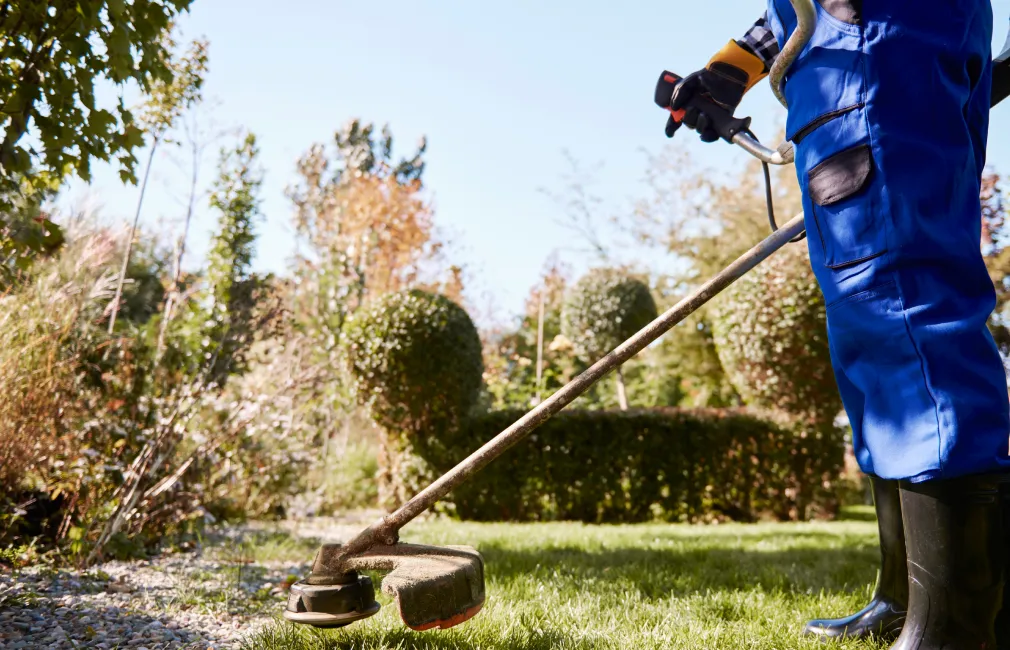
Green Flower Bed Maintenance Types

Seasonal Mulching
-
Weed Control
-
Soil Aeration
-
Fertilization Programs
-
Pruning and Deadheading
-
Irrigation Management
-
Pest and Disease Monitoring
Our Flower Bed Maintenance Process
Site Evaluation
Weed Removal
Soil Cultivation
Mulching
Plant Health Inspection
Why Choose Green Landscape Services
-
Green Homeowners Trust Us
-
Expert Lawn Maintenance
-
Sustainable Landscaping Solutions
-
Competitive Pricing
-
Professional Team
-
Satisfaction Guarantee
-
Personalized Service
Soil Series and Drainage Considerations for Flower Beds in Green
Flower bed maintenance in Green, OH requires careful attention to local soil conditions. The predominant soils in the area, such as Miami silt loam and Rossmoyne silt loam, are moderately well-drained but can exhibit compaction in developed neighborhoods. These soils typically have a pH range of 6.0-6.8, which supports a wide variety of perennial and annual species. However, compaction and poor drainage may necessitate soil amendment. Recommended practices include:
- Incorporating 2-3 inches of compost to a 6-inch depth
- Conducting a soil test through OSU Extension (typical cost: $15-25)
- Applying lime if pH falls below 6.0
- Avoiding overwatering to prevent root rot in poorly drained areas Research local soil series using the USDA Web Soil Survey for site-specific recommendations. Coordination with municipal resources is advised for large-scale amendments.
Green Township Public Services
6303 Harrison Avenue, Green, OH 45247
Phone: (513) 574-8832
Official Website: Green Township Public Services
Seasonal Timing and Weather Guidance for Flower Bed Maintenance in Green
Green, OH is located in USDA Hardiness Zone 6a, with average last frost dates in late April and first frost in late October. Optimal planting and maintenance windows for flower beds are:
- Spring planting: April 15 – May 30 (soil temp 50-65°F)
- Fall planting: September 1 – October 15 (before first frost)
- Mulching: Early May and late September
- Fertilization: Early May and September for perennials Monitor local weather conditions using the National Weather Service Cincinnati Office, as late spring frosts and heavy summer rainfall can impact planting schedules. Avoid working in saturated soils to prevent compaction and root disturbance. For up-to-date climate data and severe weather alerts, consult the NWS before scheduling major maintenance activities.
Municipal Collection, Disposal, and Compliance for Flower Bed Debris in Green
Proper disposal of flower bed debris in Green is regulated by township and county programs. Yard waste collection occurs weekly on Thursdays from April through November. Accepted materials include leaves, grass clippings, and brush under 4 feet in length. Residents must use biodegradable paper bags or reusable bins (32-gallon maximum); plastic bags and branches over 4 inches in diameter are prohibited. Key compliance steps:
- Place containers curbside by 6:00 AM on collection day
- Separate yard waste from household trash
- Do not deposit debris in storm drains (violates MS4 permit under the Clean Water Act)
- Maintain a 25-foot buffer from wetlands when stockpiling debris For questions on collection schedules or disposal regulations, contact:
Hamilton County Environmental Services
250 William Howard Taft Road, Cincinnati, OH 45219
Phone: (513) 946-7777
Official Website: Hamilton County Environmental Services
Environmental Compliance and Buffer Requirements for Flower Beds in Green
Flower bed maintenance near wetlands, streams, or conservation areas in Green must comply with local, state, and federal environmental regulations. The Ohio Environmental Protection Act and township ordinances require:
- 25-foot no-disturbance buffer from wetlands and streams
- No fertilizer or pesticide application within 50 feet of water bodies
- Prohibition of yard waste dumping in drainage ditches or stormwater inlets
- Compliance with MS4 stormwater permit requirements Violations may result in fines or remediation orders. For technical guidance on buffer zones and stormwater compliance, consult:
Ohio Environmental Protection Agency
50 West Town Street, Suite 700, Columbus, OH 43215
Phone: (614) 644-3020
Official Website: Ohio Environmental Protection Agency
Plant Selection and Native Species Recommendations for Green’s Flower Beds
Selecting appropriate plant species for Green’s climate and soils enhances both aesthetics and ecological value. Recommended species for full sun include black-eyed Susan (Rudbeckia hirta), purple coneflower (Echinacea purpurea), and daylily (Hemerocallis spp.). For partial shade, consider coral bells (Heuchera americana), astilbe (Astilbe spp.), and hosta (Hosta spp.). Native and deer-resistant options such as wild bergamot (Monarda fistulosa), Joe Pye weed (Eutrochium purpureum), and lavender (Lavandula angustifolia) are well-suited to local conditions. Plant spacing should be 12-18 inches for perennials and 18-24 inches for larger species. For detailed plant lists and diagnostic support, refer to OSU Extension resources. Soil testing and site assessment are recommended prior to installation.
What Neighborhoods Do We Serve Throughout Green, OH?
- Monfort Heights: Characterized by mature landscaping and Miami silt loam soils, this area often requires soil amendment for compaction and drainage improvement in established beds.
- Bridgetown North: Features larger lots with moderate slopes and Rossmoyne silt loam, necessitating erosion control and careful plant selection for hillside beds.
- Covedale: Known for older homes and dense tree canopy, flower bed maintenance here must address shade tolerance and leaf litter management.
- Dent: Includes newer developments with compacted fill soils, requiring regular soil aeration and organic matter incorporation for healthy flower beds.
- White Oak: Proximity to wetlands and stream corridors means strict adherence to buffer requirements and stormwater management practices.
- Muddy Creek: Floodplain location presents challenges with periodic saturation and drainage, making raised beds and moisture-tolerant species advisable.
- Cheviot Hills: Steep slopes and limited access demand specialized erosion control and careful scheduling to avoid soil disturbance during wet periods.