
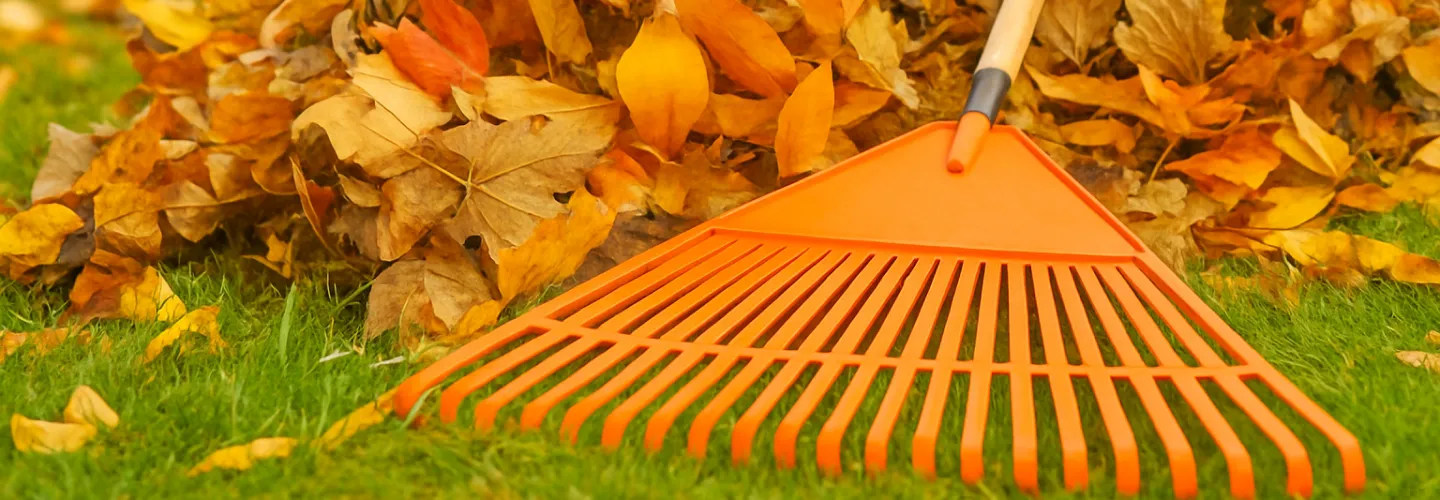
Green Weeding Services
Choose our expert weeding services for a healthier, more vibrant garden—our team removes unwanted growth efficiently, ensuring your landscape thrives and looks its best all season long.
Get a Free QuoteOur Green Landscaping & Yard Care Services
When to Schedule Weeding in Green, Ohio – Seasonal Guide
In Green, Ohio, the best times to schedule weeding are typically in early spring and late summer, when local weather patterns create optimal conditions for effective weed removal. The region’s climate, with its distinct seasons and variable precipitation, means that weeds can emerge aggressively after the last frost—usually in mid-April—and again following the humid summer months. Neighborhoods near Southgate Park and the Portage Lakes often experience unique microclimates, with shaded yards and varying soil types that can influence weed growth cycles.
Local environmental factors such as heavy clay soils, common in the Greensburg Road area, and the risk of late spring frosts should be considered when planning your weeding schedule. Additionally, periods of drought or high humidity, which are not uncommon in Green, can affect both weed proliferation and the effectiveness of removal efforts. For more information on local climate and municipal guidelines, visit the official city resource.
Local Factors to Consider for Weeding in Green
- Tree density and shade coverage, especially in neighborhoods like Mystic Pointe
- Soil type (clay, loam, or sandy soils)
- Average precipitation and risk of drought
- Terrain and slope, which can affect water runoff and weed spread
- Municipal restrictions or seasonal guidelines for yard maintenance
- Proximity to water features, such as the Portage Lakes, which can increase humidity and weed pressure
Benefits of Weeding in Green
Professional Landscaping Expertise
Eco-Friendly Weed Control
Consistent Lawn Maintenance
Enhanced Curb Appeal
Time and Cost Savings
Customized Service Plans
Green Weeding Types

Manual Hand Weeding
-
Mulching for Weed Suppression
-
Flame Weeding
-
Soil Solarization
-
Organic Herbicide Application
-
Cover Cropping
-
Mechanical Cultivation
Our Weeding Process
Site Evaluation
Weed Identification
Manual Removal
Soil Cultivation
Preventative Measures
Why Choose Green Landscape Services
-
Green Homeowners Trust Us
-
Expert Lawn Maintenance
-
Sustainable Landscaping Solutions
-
Competitive Pricing
-
Professional Team
-
Satisfaction Guarantee
-
Personalized Service
Managing Weeding in Green’s Predominant Urban Soil Series
Weeding practices in Green, OH must account for the township’s dominant soil types, including Miami silt loam and Rossmoyne silt loam, as identified by the USDA Web Soil Survey. These soils are moderately well-drained, with pH typically ranging from 6.0 to 6.8, and can be prone to compaction in developed areas. Effective weed removal requires:
- Soil testing through OSU Extension (15-25 cost per sample)
- Mechanical removal to a depth of 2-3 inches to disrupt perennial roots
- Compost incorporation: 2-3 inches tilled to 6-inch depth for soil health
- Avoiding herbicide use within 25 feet of wetlands or streams Coordination with local authorities is essential for compliance with township ordinances.
Green Township Public Services
6303 Harrison Avenue, Green, OH 45247
Phone: (513) 574-8832
Official Website: Green Township Public Services
Seasonal Timing and Weather Considerations for Weeding in Green
Green, OH is located in USDA Hardiness Zone 6a, with average last frost dates in mid-April and first frost in late October. Optimal weeding windows are:
- Spring: April 15 – May 30 (soil temp 50-65°F)
- Fall: September 1 – October 15 (before first frost)
- Avoid June-August due to heat stress and rapid weed regrowth Monitor local forecasts through the National Weather Service Cincinnati Office to schedule work during dry periods, as wet soils increase compaction risk. For persistent perennial weeds, repeat removal every 2-3 weeks during active growth. Mulching beds with 2-3 inches of shredded bark after weeding helps suppress regrowth and maintain soil moisture.
Green’s Yard Waste Collection and Disposal Protocols for Weeding Debris
Proper disposal of weeding debris in Green is regulated by township and county programs. Residents must adhere to:
- Weekly yard waste pickup: Thursdays, April through November
- Accepted containers: Biodegradable paper bags or reusable bins (32-gallon max)
- Prohibited: Plastic bags, branches over 4 inches diameter
- Drop-off: Hamilton County yard waste sites (verify hours) Improper disposal, such as dumping in storm drains, violates the township’s MS4 permit under the Clean Water Act and can result in fines. For detailed collection schedules and accepted materials, consult township resources.
Hamilton County Environmental Services
250 William Howard Taft Road, Cincinnati, OH 45219
Phone: (513) 946-7777
Official Website: Hamilton County Environmental Services
Environmental Compliance: Buffer Zones and Stormwater Protection in Green
Weeding activities in Green must comply with local and state environmental regulations to protect water quality and sensitive habitats. Key requirements include:
- Maintain a 25-foot no-disturbance buffer from wetlands and streams
- Do not deposit debris or soil in storm drains or drainage ditches
- MS4 permit prohibits use of herbicides within 50 feet of water bodies
- Report invasive species removal near protected areas to township officials These measures align with the Ohio Environmental Protection Act and township MS4 obligations. For technical guidance on buffer zones and stormwater compliance, contact the township or state agencies.
Ohio Environmental Protection Agency
50 West Town Street, Suite 700, Columbus, OH 43215
Phone: (614) 644-3020
Official Website: Ohio Environmental Protection Agency
Professional Standards and Safety Protocols for Weeding Operations in Green
All weeding operations in Green must adhere to township safety ordinances and professional standards. Equipment operation is permitted:
- Monday-Friday: 7:00 AM – 7:00 PM
- Saturday: 8:00 AM – 6:00 PM
- Sunday and holidays: Prohibited Required personal protective equipment (PPE) includes:
- Eye protection: ANSI Z87.1 safety glasses
- Hearing protection: Earmuffs or plugs for 85+ dB noise
- Gloves: Cut-resistant for hand weeding, chemical-resistant for applications Maintain a 15-foot clearance from overhead utilities and public walkways. All commercial operators must ensure equipment is properly maintained and blades are sharpened every 20-25 hours of use. For questions on local safety requirements, consult township public services.
Green Township Public Services
6303 Harrison Avenue, Green, OH 45247
Phone: (513) 574-8832
Official Website: Green Township Public Services
What Neighborhoods Do We Serve Throughout Green, OH?
- Monfort Heights: Characterized by mature tree canopy and Miami silt loam soils, this area often faces compaction and drainage challenges, requiring careful hand weeding and mulching.
- Bridgetown North: Features larger lots and Rossmoyne silt loam, with moderate slopes and proximity to township parks, necessitating buffer compliance near protected green spaces.
- Covedale: Urban fill soils and dense development increase the risk of weed encroachment and require frequent debris removal to comply with township collection protocols.
- Dent: Known for its mix of residential and commercial properties, with variable soil pH and higher traffic, making safety and timing of weeding operations critical.
- White Oak: Contains areas near streams and wetlands, where strict adherence to 25-foot buffer zones and stormwater protection is required during weeding.
- Mack South: Newer developments with compacted soils and HOA landscaping standards, requiring compliance with both township and association guidelines for debris disposal and timing.
- Cheviot Hills: Features steep slopes and mature landscaping, presenting unique access and erosion control considerations during weeding and debris management.